History · Elementary / Middle school / High school · INTL

International History Bee & Bowl / US National History Bee & Bowl

History Bee & Bowl is one of the few history events that turns knowledge into live competition, rewarding both breadth and recall speed, which suits students who genuinely read history widely. The on-ramp is friendly: the online qualifying exam is available on demand, about 60% of test-takers qualify for a regional, and students can play several tournaments a year to build experience. For applications, a national placement or an International History Olympiad invitation is a clean, comparable credential that reinforces classroom history, debate, and Model UN.

International History Bee & Bowl / US National History Bee & Bowl
2026-27Latest season

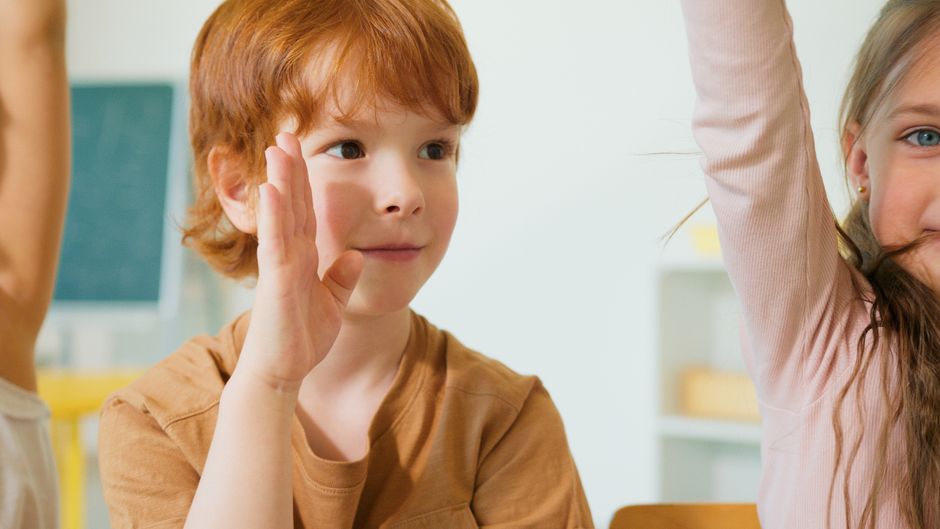
Photo: Artem Podrez / Pexels

  1. Registration opensTBA
  2. Registration deadlineTBA
  3. Contest datesFeb 13 – May 312027
  4. ResultsTBA

Verified from the official site on September 20, 2026 · www.iacompetitions.com

Organizer
International Academic Competitions (IAC)
Eligibility
Open to K-12 students. The high school side splits into Varsity (grades 11-12) and Junior Varsity (grade 10 and below); younger students compete in separate 8th, 7th, 6th, 5th, 4th, and 3rd-grade-and-younger divisions. High schoolers entering only the individual History Bee must first qualify on the Online Regional Qualifying Exam (ORQE), unless they are also playing in the History Bowl.
Format
Two tracks. The individual History Bee starts with the Online Regional Qualifying Exam: 50 multiple-choice questions in 20 minutes covering world history across eras and regions, with roughly 60% of test-takers qualifying for a regional tournament. Regionals use three preliminary rounds plus a final, 30 buzzer questions per round, with paragraph-length clues ordered hardest to easiest; nationals use four preliminary rounds plus playoffs. The team History Bowl fields up to four active players per team across four quarters: quarter 1 is 10-point tossups, quarter 2 adds team bonuses, quarter 3 is a 60-second lightning round of eight questions with bouncebacks, and quarter 4 uses power-marked tossups worth 30, 20, or 10 points. Students may play up to seven regional tournaments a year, and the top half of each age division qualifies for nationals.
Contest dates
February 13 – 14, 2027 · April 23 – 24, 2027 · May 27, 2027 · May 31, 2027
Fees
Regional events for the middle and high school divisions are $54 each, with an additional $10 for late registration. For the online Mid-Winter History Bee and Bowl on February 13-14, 2027, early registration closes February 5 and late registration is accepted through February 8 at an additional charge. For national event fees, rely on the Nationals page of the official site. Students who qualify for free or reduced-price lunch may apply for QB4ALL support.
Awards
Regionals and nationals both award individual and team placements within each grade or age division, and roughly the top 30-35% of competitors at nationals advance to playoff rounds. Strong performers earn a place at the biennial International History Olympiad, the next edition of which is set for July 2027.

About the competition

History Bee & Bowl is run by International Academic Competitions (IAC) and operates across the United States, Europe, Asia, and Canada; the global program is the International History Bee & Bowl and the American arm is the National History Bee & Bowl. There are two tracks: the History Bee is an individual buzzer competition and the History Bowl is a four-player team event.

Entry begins with the Online Regional Qualifying Exam, 50 multiple-choice questions in 20 minutes spanning world history, which roughly 60% of test-takers pass to reach a regional tournament. Regionals run three preliminary rounds and a final of 30 questions each, with paragraph-length clues that start hard and get easier, so buzzing early is worth more risk.

The Bowl’s four-quarter structure adds team bonuses and a 60-second lightning round that rewards clear division of labor. The top half of each age division at regionals qualifies for nationals.

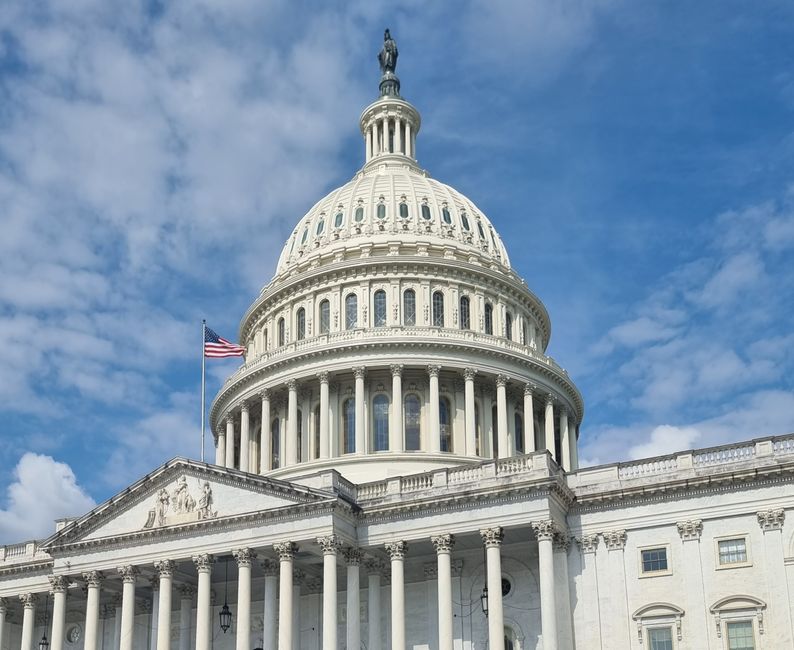
Key 2026-27 dates are the online Mid-Winter History Bee and Bowl on February 13-14, 2027, the Varsity/JV National Championships weekend on April 23-24, 2027 at the Crystal Gateway Marriott in Arlington, Virginia, and the middle and elementary National Championships on May 27-31, 2027 at the Hyatt Regency Orlando. Top finishers can also qualify for the International History Olympiad in July 2027.
How to prepare

  • Clear the Online Regional Qualifying Exam early. There is no hard deadline and a second version appears in late fall, but qualifying early gives you more choice of regional dates.
  • Tossup clues run hard to easy, so the skill to train is not memorizing dates but narrowing era, region, and type of figure from the first two sentences. Collecting distinctive identifiers — a nickname only one person had, a location unique to one event — pays off more than timelines.
  • Train differently for the individual and team events. Bowl teams should divide coverage in advance across ancient, European, American, Asian/African/Latin American, and cultural history, and the lightning round in particular needs assigned roles.
  • Use online tournaments to build reps. The Mid-Winter online event on February 13-14, 2027 is open regardless of state, so California students get a full-format tournament without travel.
  • Treat past national question sets as study material rather than drill sheets: IAC publishes past questions, and sorting missed answers into topic notes raises scores faster than volume practice.

Frequently Asked Questions

What is the difference between the History Bee and the History Bowl?

The Bee is an individual competition and the Bowl is a team event whose players must all attend the same school. A regional Bee runs 30 buzzer questions per round across three preliminary rounds plus a final. The Bowl fields up to four players at a time over four quarters: quarter one is 10-point tossups, quarter two adds team bonuses, quarter three is a 60-second eight-question lightning round that the other team can pick up, and quarter four uses power-marked tossups scoring 30, 20 or 10 by how early you buzz.

Does an Irvine student need to take the ORQE?

Only for high school students entering the individual History Bee on its own; students who also play in the History Bowl are exempt. The ORQE is 50 multiple-choice questions in 20 minutes covering world history across periods and regions, and roughly 60 percent of test takers advance to a regional. There is no hard deadline and separate versions run in fall and late fall, so taking it early frees you to plan the regional calendar.

There is no convenient in-person regional near Irvine - what then?

Use the online regionals. IAC runs several each year, such as the Mid-Winter Online History Bee and Bowl on February 13-14, 2027, which is open regardless of state as long as the student has not played that question set in the same academic year. Online results qualify students for nationals exactly like in-person ones. For an Irvine family it is the cheapest way to play a full-format event before deciding whether to travel.

How do you qualify for IHBB nationals, and where are they held?

Finishing in the top 50 percent of your age division at a regional qualifies you, and students may play up to seven regionals in a school year, online or in person. The 2026-27 season has two national championships: Varsity and JV on April 23-24, 2027 at the Crystal Gateway Marriott in Arlington, Virginia, and the middle and elementary divisions on May 27-31, 2027 at the Hyatt Regency Orlando. Roughly the top 30 to 35 percent at nationals reach the elimination rounds.

Can an Irvine student compete in IHBB during elementary school?

Yes. At the high school level there is Varsity for grades 11-12 and Junior Varsity for grade 10 and below. Below that, divisions are split grade by grade: 8th, 7th, 6th, 5th, 4th, and 3rd grade and under, covering K-12 overall. Because the brackets are that fine, younger students never face high schoolers directly, which is part of why it works well as an entry point for upper elementary students.

How much does IHBB cost an Irvine student?

Elementary and middle school regionals run $54 per event, with a $10 late surcharge. For the online Mid-Winter History Bee and Bowl on February 13-14, 2027, early registration closes February 5 with late registration accepted through February 8 at an added fee. National championship fees are listed on the official Nationals page. Students who qualify for free or reduced-price lunch at school can apply for QB4ALL financial assistance, which the organizers publicize directly.

How should an Irvine student schedule IHBB prep?

Memorizing dates pays poorly. Buzzer questions are written hardest clue first, so the skill is identifying the era, region and type of figure from the first two sentences. When reading history, deliberately note unique identifiers - a person's distinctive nickname, the one place an event could have happened. The organizers publish past national question sets; sorting them by theme into a running error log beats untargeted drilling, and this practice fits well into the time left over from a regular history or AP course load. For the Bowl, assign subject areas in advance across ancient, European, American, Asian and African, and cultural history.

How does IHBB relate to the International History Olympiad?

IHBB results are the pathway in: students who perform well at IHBB events earn eligibility for the International History Olympiad, which is held every two years, with the next edition scheduled for July 2027. For a student serious about history, that means regionals and nationals are not isolated events but the first steps on a route that extends to the international level, and a result worth citing on a UC application - worth deciding on at the start of a season rather than mid-way through.

Train for it with EDUBUSChrono League History Competition CampThis history course for Irvine students in small in-person classes prepares for National History Bee & Bowl, World Scholar's Cup, and National History Day.Learn More →

Preparing for IHBB / NHBB? Start with a 30-minute call

Share the grade and the goal. An Irvine-based course advisor reaches out within one business day with a first, actionable course and study plan. Direction first, courses later.

  • EDUBUS WeChat QR code, WeChat ID EDUBUSer
    Scan to reach a course advisor on WeChatHotline: (949) 383-4877WeChatEDUBUSerCopy the ID and add a course advisor in WeChat

We reply within one business day. Your details are used only for this consultation. By submitting you confirm you have read our privacy policy.